What Are
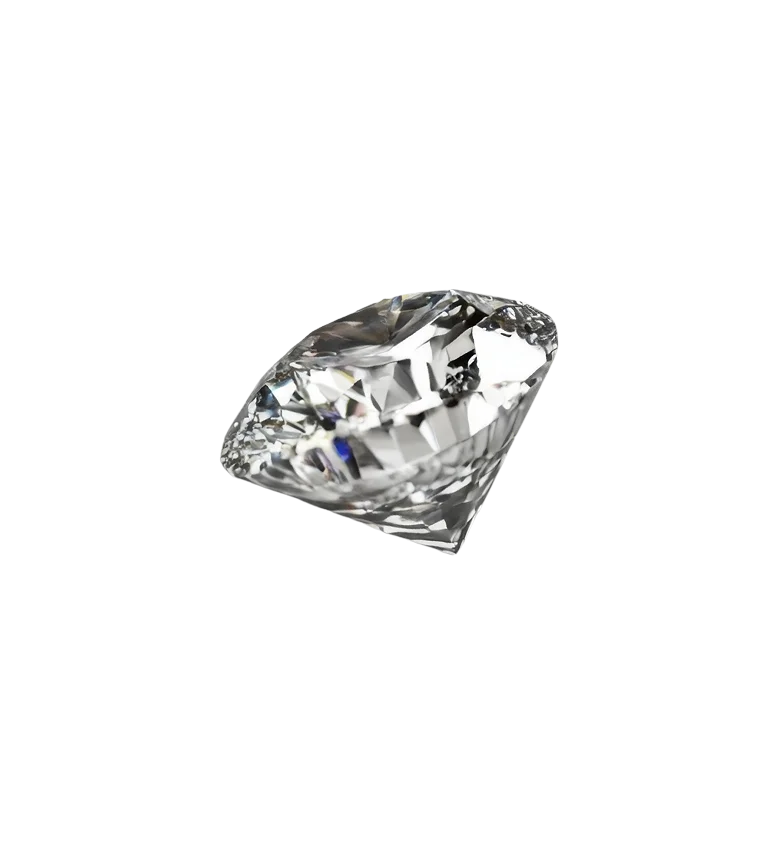
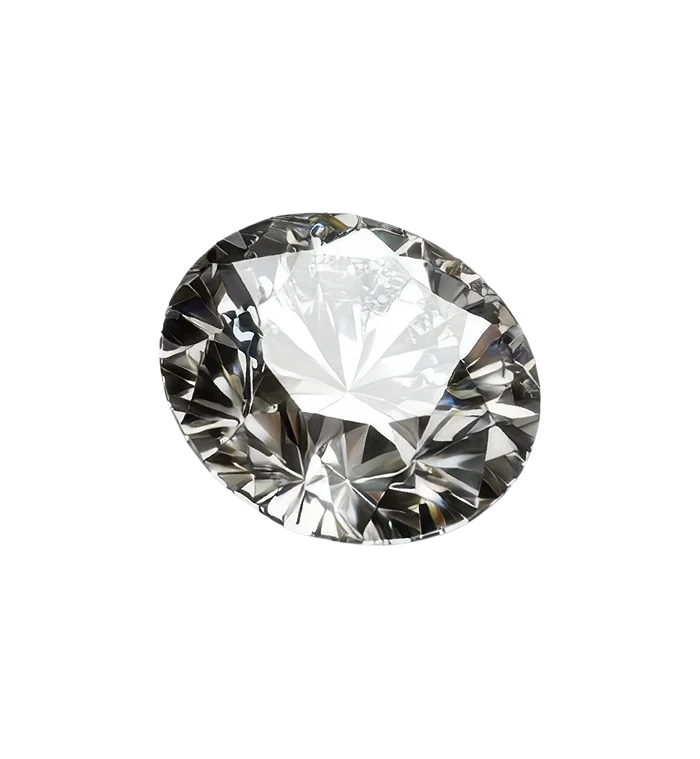
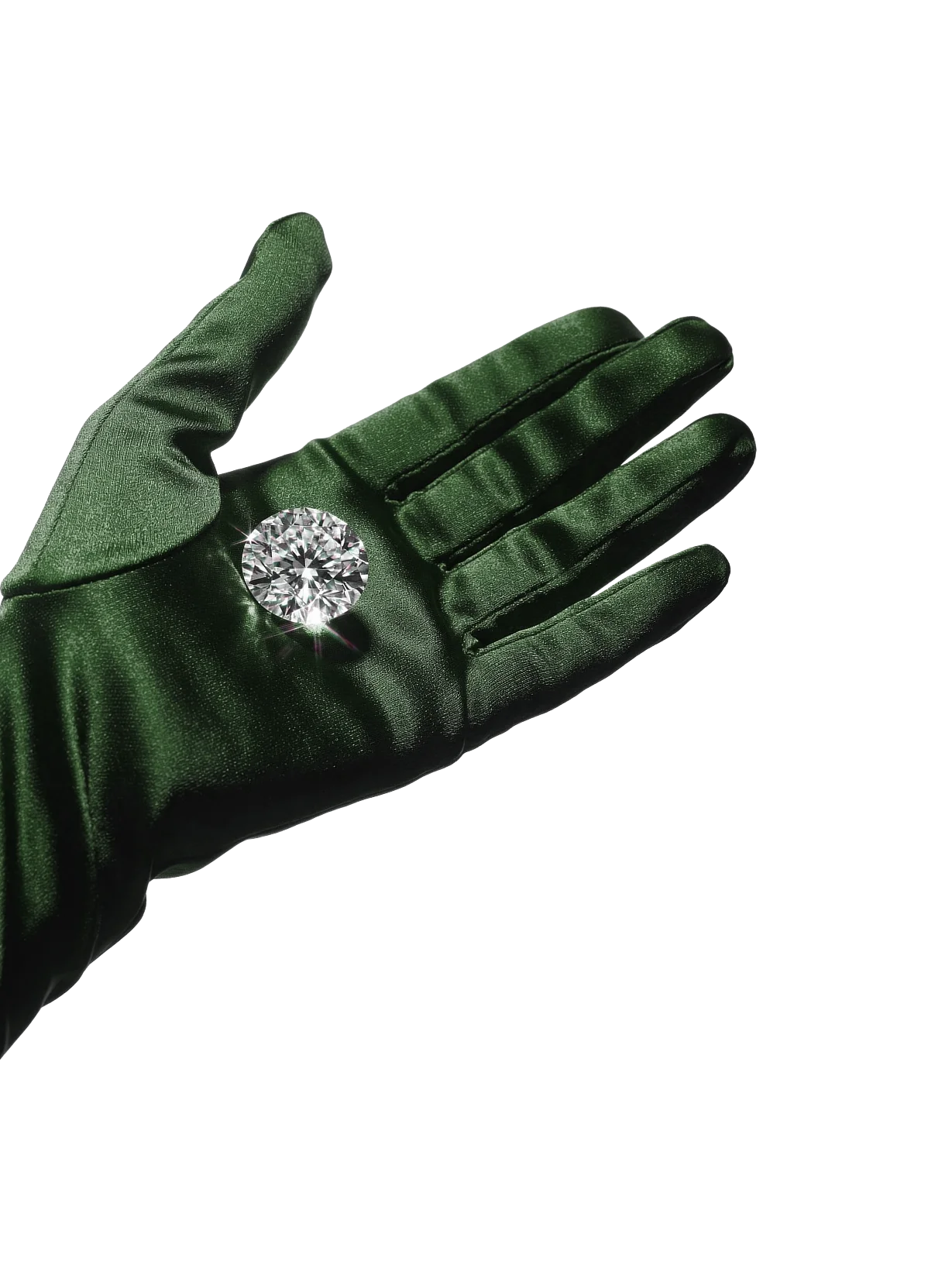
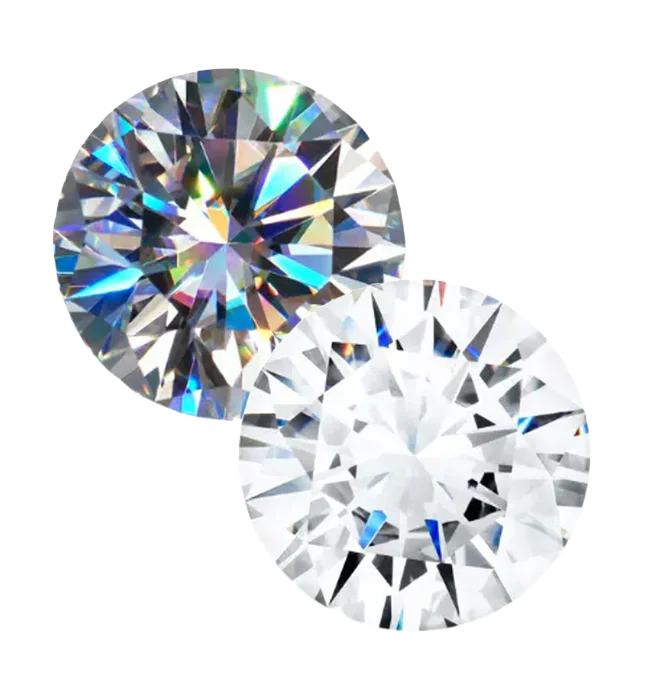
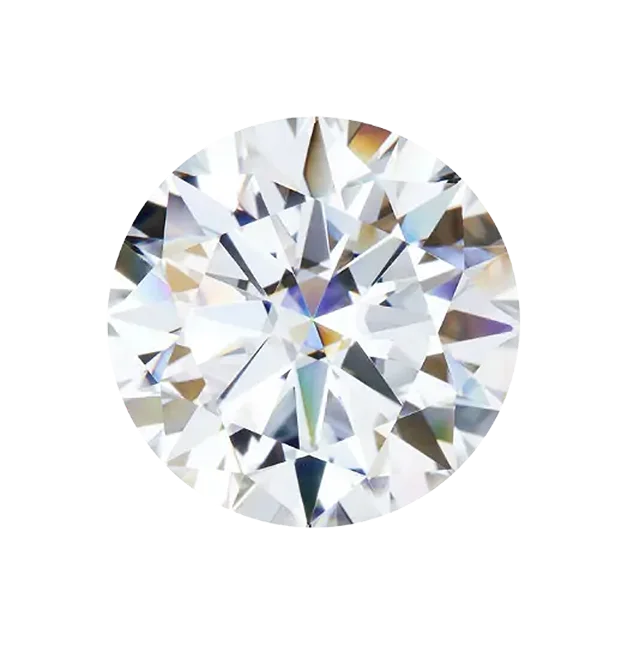
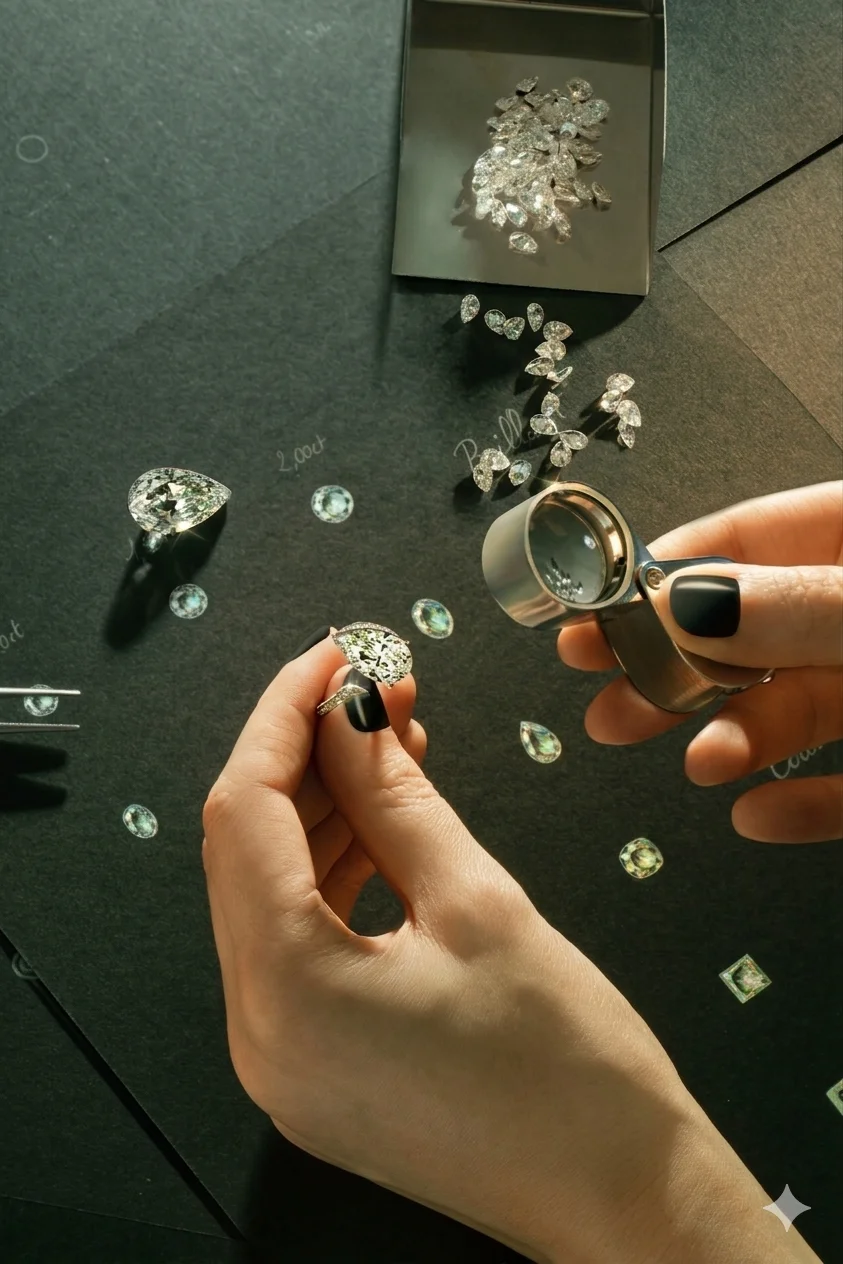
Lab-grown diamonds are created in controlled environments using advanced technology that replicates the mined diamond formation process. They have the same physical, chemical, and optical properties as mined diamonds, offering identical durability, brilliance, and structure. In today's market, lab-grown diamonds are widely used across wholesale and retail channels due to their consistent quality and traceability.
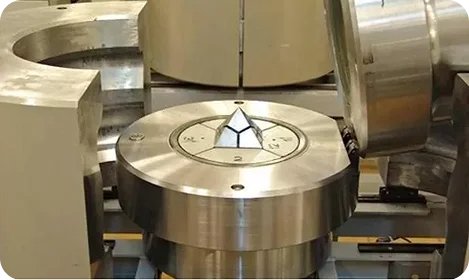
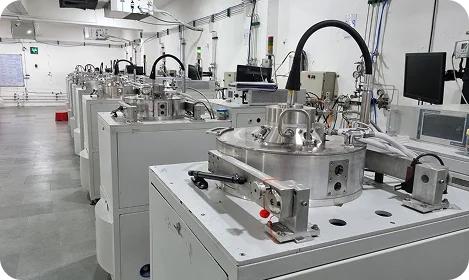
Lab-grown diamonds are produced using two primary methods, both designed to ensure precision, consistency, and repeatable quality across batches.
HPHT
The HPHT method recreates the natural conditions under which diamonds form deep within the earth. A diamond seed is placed in a controlled environment where high pressure and temperature allow carbon to crystallize and grow into a diamond. This process is widely used in lab-grown diamond manufacturing and produces strong, high-quality crystal structures suitable for commercial and wholesale applications.
CVD
The CVD process builds diamonds layer by layer using carbon-rich gases in a controlled chamber. These gases are activated to deposit carbon atoms onto a diamond seed, gradually forming a diamond over time. This method allows for precise control over clarity and consistency, making it ideal for large-scale production and uniform inventory.
All diamonds, including lab-grown diamonds, are graded using the 4Cs: Cut, Color, Clarity, and Carat. These standards provide a consistent framework for evaluating quality and determining value in both wholesale and retail markets.
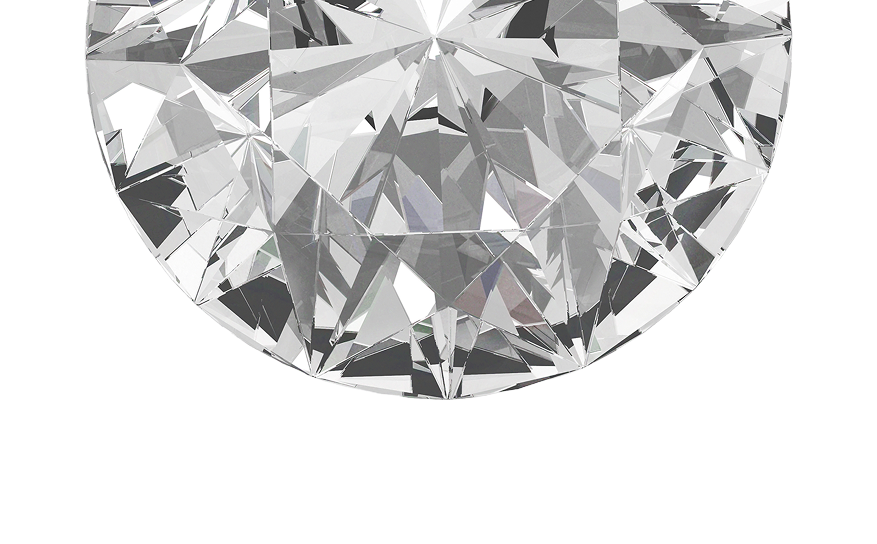
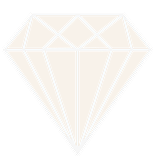
Cut refers to how well a diamond is shaped and finished, directly affecting how it reflects light. A well-cut diamond appears brighter and more visually appealing, while a poorly cut diamond can look dull regardless of its other characteristics.

too shallow

too deep

just right
Color measures how colorless or tinted a diamond appears. In lab-grown diamonds, color grading helps determine visual clarity and pricing. Diamonds with less color typically appear cleaner and are preferred for high-visibility applications.

D

H

N

Z
Clarity evaluates internal inclusions and surface imperfections. Most lab-grown diamonds used in wholesale applications are selected for being "eye-clean," meaning inclusions are not visible without magnification.

flawless

slightly included

included
Carat refers to the weight of a diamond. While often associated with size, the appearance of a diamond also depends on its cut and proportions. In wholesale supply, carat weight plays an important role in pricing structures and inventory segmentation.

1 ct.

2 ct.

3 ct.

4 ct.
Diamond certification provides an independent and standardized evaluation of a diamond's quality. Lab-grown diamonds are graded by recognized laboratories using the same criteria applied to mined diamonds.
A certification report includes detailed information about the diamond's cut, color, clarity, and carat, along with measurements and identifying characteristics. For businesses, certification ensures consistent inventory, verifiable quality, and builds trust in the supply chain.
In wholesale operations, certified diamonds allow for easier comparison, consistent inventory management, and reliable sourcing decisions across multiple batches.
One of the key advantages of lab-grown diamonds is the level of control in the production process. Unlike traditional sourcing, where variations can occur due to external factors, lab-grown diamonds are produced in controlled environments that allow for repeatability and precision.
This results in consistent quality across batches, making it easier for businesses to maintain uniform standards in their inventory. Whether supplying retailers, manufacturers, or private labels, consistency reduces variability and improves operational efficiency.
As demand grows, production can scale without compromising quality. This makes lab-grown diamonds a practical solution for businesses looking for stable and reliable diamond supply in the US market.
Lab-grown diamonds are often compared to materials such as cubic zirconia and moissanite, but they are fundamentally different.
Cubic zirconia and moissanite are diamond simulants. While they may resemble diamonds visually, they differ in composition, hardness, and light performance. They are not graded using the same standards and do not offer the same long-term value.
Lab-grown diamonds, on the other hand, are real diamonds. They are graded using the 4Cs and meet the same industry standards, making them suitable for fine jewelry and professional applications.
The pricing of lab-grown diamonds is based on measurable factors such as the 4Cs, along with supply dynamics and market demand. Because lab-grown diamonds are produced in controlled environments, pricing tends to be more structured and compared to traditional sourcing models.
For wholesale buyers, this predictability simplifies purchasing decisions and supports better margin planning. Consistent grading across batches ensures that pricing remains aligned with quality, reducing unexpected variations in inventory value.
The supply chain for lab-grown diamonds is also more stable, as it is not dependent on unpredictable sourcing conditions. This allows businesses to plan inventory, scale operations, and maintain consistent product offerings with greater confidence.
Looking for a reliable supply partner?